
UAE Healthcare Cloud Security: Data Residency and HIPAA Standards for 2026

The UAE healthcare landscape is experiencing an unprecedented digital evolution. With the mandatory integration of unified Health Information Exchanges (HIE) like NABIDH in Dubai and Riayati across the Northern Emirates, clinic operational models have fundamentally shifted. Managing patient charts on isolated, on-premise hardware or scattered legacy software is no longer just an operational bottleneck, it is a compliance liability, particularly concerning healthcare data security standards. In this fast-evolving ecosystem, robust healthcare data security is no longer a back-office IT checklist. It is a core pillar of clinical integrity and a distinct competitive advantage. For IT Heads and Operations Managers tasked with safeguarding multi-specialty polyclinics, the pressure to protect sensitive medical records while maintaining frictionless clinical workflows is immense. Transitioning to a secure, cloud-based framework eliminates the massive overhead of managing on-site servers while keeping your facility fully aligned with global protocols. Platforms like Medic by Freit.io are specifically engineered to deliver this balance, providing “HIPAA-grade” protection and localized compliance out of the box. This comprehensive guide breaks down the 7 critical strategies your clinic must implement to achieve total data security and seamless compliance in 2026. Why is healthcare data security the top priority for UAE medical clinics in 2026? Medical records are highly prized targets for cybercriminals, often commanding a premium on the dark web compared to standard financial data. A single breach can expose deeply personal histories, insurance details, and national identification data, leading to severe reputational fallout and operational paralysis. Within the UAE, regulatory bodies have established strict frameworks to ensure patient data privacy. Unauthorized access whether from an external cyber threat or an internal staff member lacking proper clearance carries steep statutory penalties. [Legacy On-Premise Servers] ──(Risk)──> Vulnerable to local hardware failure & local breaches [Medic Cloud Infrastructure] ──(Shield)──> Built-in firewalls + Automatic security patches Prioritizing enterprise-grade healthcare data security acts as a proactive defense mechanism. By encrypting medical records at rest and in transit, clinics build a digital fortress around their operations. This level of protection ensures that even if data is intercepted, it remains entirely unreadable and useless to unauthorized parties, preserving the sacred trust between patient and provider. Is cloud-based EMR storage legal under UAE data residency laws? One of the most frequent hurdles for healthcare operations teams is navigating UAE Data Residency laws. Specifically, Federal Decree-Law No. 45 of 2021 on Personal Data Protection explicitly outlines how citizen and resident data must be handled. The Core Rule: Health data generated within the UAE must be stored, processed, and hosted on servers physically located inside the country’s geographical borders, unless explicit regulatory approval is granted. Cloud storage is completely legal, highly encouraged, and exceptionally secure for maintaining healthcare data security, provided your cloud partner utilizes local data centers. UAE Health Data │ Is the server inside the UAE? ───────┬───────────┬─────── │ │ Yes No ▼ ▼ FULLY COMPLIANT LAW VIOLATION Medic Cloud Hosting Foreign Public Cloud Medic eliminates this compliance headache through localized cloud hosting. By utilizing sovereign cloud infrastructure located entirely within the UAE, Medic ensures your clinic remains 100% compliant with local data sovereignty laws. The secondary benefit? Zero server maintenance. Your operations team no longer needs to worry about cooling costs, physical server room security, or manual backups; the entire infrastructure is managed automatically in a secure, local cloud environment. How do HIPAA standards apply to healthcare providers in Dubai and the Northern Emirates? While the Health Insurance Portability and Accountability Act (HIPAA) is fundamentally a United States federal law, HIPAA standards serve as the global gold standard for digital health systems. When a platform is built to “HIPAA-grade” specifications, it naturally satisfies and exceeds the baseline requirements set by the Dubai Health Authority (DHA) and the Ministry of Health and Prevention (MOHAP). The core framework relies on three fundamental pillars: Medic embeds these technical safeguards directly into its architecture. By deploying advanced encrypted medical records alongside rigorous role-based access controls (RBAC), the system ensures that a receptionist can only view scheduling data, while granular clinical histories remain restricted exclusively to authorized medical practitioners. What are the best practices for maintaining healthcare data security during a clinical audit? An audit from the DHA or MOHAP can be incredibly stressful if your documentation is fragmented across various physical files and systems. To achieve a seamless clinical audit, your data architecture must be transparent, centralized, and rapidly accessible. [Fragmented Systems] ──> Long search times + Lost files = Audit Risk [Centralized Cloud] ──> One-click exports + Clean logs = Instant Compliance 1. Maintain an Immutable Audit Trail Ensure your EMR system logs every single interaction. You must be able to instantly show auditors exactly who accessed a patient’s chart, what changes were made, and precisely when the interaction occurred. 2. Implement Automated HIE Reporting Manually pulling data to prove compliance with NABIDH or Riayati invites errors. Utilizing automated, audit-ready reporting fields allows your operations manager to export verified compliance metrics with a single click. 3. Eliminate the Paper Trail Physical paper charts are inherently insecure; they can be misplaced, incorrectly filed, or viewed by unauthorized visitors. Migrating to a centralized cloud EMR ensures that all compliance logs are backed up systematically across secure servers, completely removing physical vulnerabilities. Can a secure EMR system reduce insurance claim rejections? Data integrity is directly tied to your clinic’s financial health. A significant percentage of insurance claim rejections stem from minor administrative discrepancies: mismatched patient identifiers, incomplete diagnostic codes, or missing clinical documentation notes. When your EMR platform enforces absolute data integrity, the quality of your outbound data improves dramatically. By securely linking clinical entries to the Dubai Health Post Office (DHPO) and regional insurance clearinghouses, the system ensures that every submitted claim is backed by complete, accurately mapped
Unified EMR Compliance for Multi-Specialty Clinics: Lessons from Masterdent and Abrah Clinics
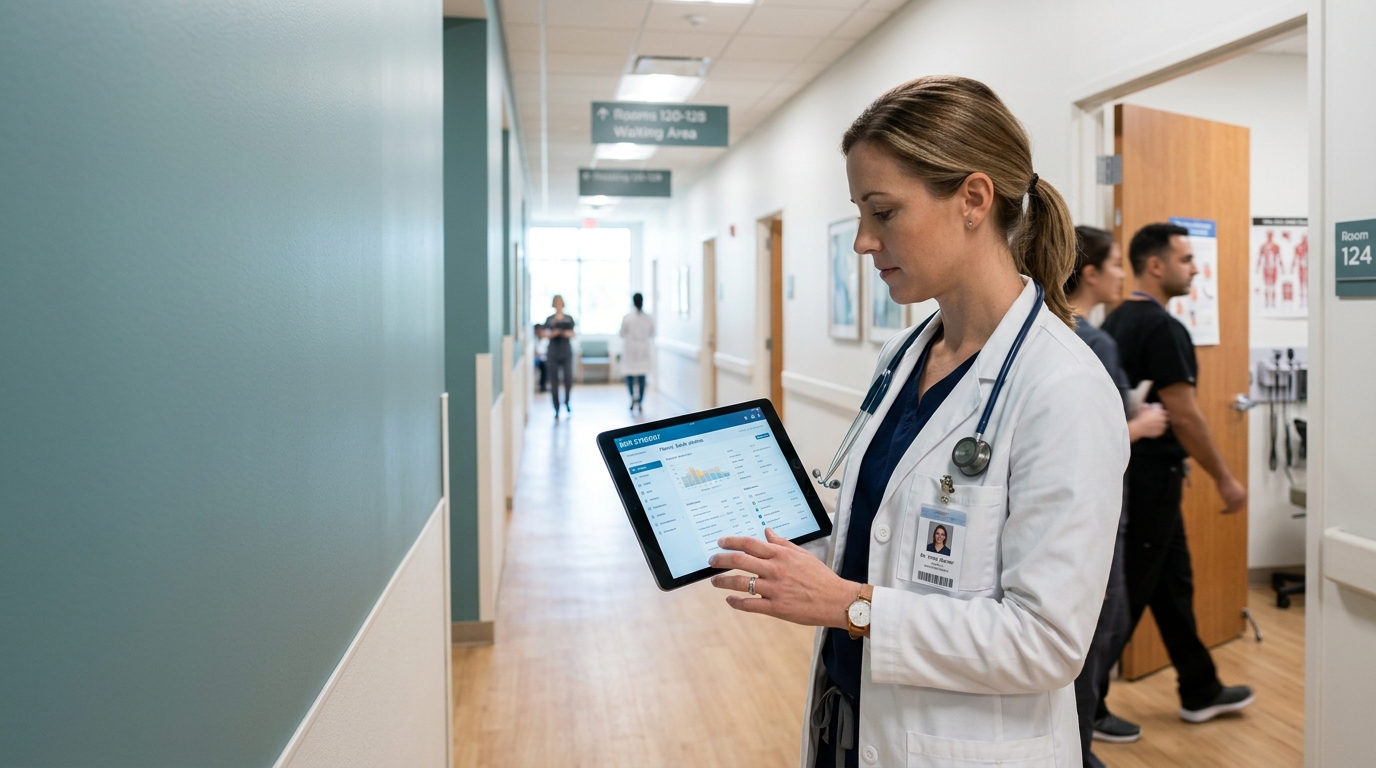
The UAE healthcare sector is undergoing a massive, technology-driven paradigm shift. Driven by national initiatives aimed at positioning the country as a global hub for medical tourism and cutting-edge clinical care, regulatory bodies in Dubai, Abu Dhabi, and Sharjah have established stringent data policies. For expanding multi-specialty clinics, managing patient care across varied clinical departments while remaining completely compliant with evolving regulatory standards is a complex operational challenge. Moving away from legacy, fragmented systems toward an ecosystem of “Smarter Healthcare” is no longer optional; it is a baseline requirement for growth. Adopting a robust, certified EMR system UAE has become the defining factor between operational gridlock and scaling successfully. Today, more than 50+ clinics across the Emirates are leveraging Medic by Freit.io to dismantle data silos, optimize workflows, and build an unshakeable foundation for compliance. What is an EMR and why is a unified EMR system UAE vital for multi-specialty clinics? An Electronic Medical Record (EMR) is a digital version of a patient’s clinical chart, containing medical history, diagnoses, medications, immunization dates, and lab results compiled within a specific practice. While a single-discipline practice can survive with simple record-keeping software, a multi-specialty facility requires a robust EMR system UAE to navigate entirely different operational hurdles. In a typical multi-specialty clinic setting such as when a patient visits an internal medicine specialist, is referred to a dental unit, and finishes with a laboratory test information often becomes trapped in departmental silos. This manual data routing leads to: Prominent healthcare leaders like Masterdent and Abrah Clinics have actively solved this issue by adopting centralized unified medical records. When an EMR brings all clinical departments into a singular ecosystem, clinic directors can accurately monitor administrative logs, data access, and patient care timelines across the board. How does unified EMR compliance improve patient safety in the UAE? Patient safety is directly tied to accurate, accessible clinical documentation. In a multi-specialty facility, a breakdown in communication between a general practitioner and a specialist can lead to adverse drug interactions, duplicate diagnostic testing, or missed clinical diagnoses. Implementing a unified EMR system UAE with health IT compliance practices radically reduces medical errors through features like: This inter-departmental visibility keeps the entire medical team aligned, ensuring that patient management remains completely synchronized and accurate across every shift. Can a centralized EMR system UAE reduce clinic administrative costs? Operating a multi-specialty healthcare facility involves high administrative overhead, often driven by extensive front-desk staffing, manual patient scheduling, follow-up management, and complex billing reconciliation across distinct clinical units. A centralized EMR system UAE reduces these operational expenses through automation: Manual Administration Pitfalls Automated EMR Solution Front-desk bottlenecks due to manual phone check-ins Instant Online Doctor Booking shifting scheduling online Missed appointments and open, unbilled provider slots Automated Reminders directly notifying patients via SMS/Email Manual data re-entry for cross-specialty billing Automated, centralized multi-specialty invoicing systems By automating repetitive administrative tasks, clinics significantly lower their operational dependencies on large front-desk teams. This allows existing administrative staff to focus on high-priority client care and complex internal billing processes, driving down operational expenses. What are the healthcare data privacy laws for clinics in Dubai and Sharjah? The regulatory environment for medical records in the United Arab Emirates is strictly managed. Legislation such as UAE Federal Decree-Law No. 45 of 2021 on Personal Data Protection, alongside executive regulations from the Ministry of Health and Prevention (MOHAP), the Dubai Health Authority (DHA), and the Sharjah Health Authority (SHA), mandates strict guidelines on how patient information is captured, archived, and communicated. Key compliance considerations for local healthcare providers include: Adopting verified systems ensures that secure medical data sharing happens within validated parameters, keeping practices safe from heavy regulatory penalties. How do Masterdent and Abrah Clinics use digital portals to enhance the patient journey? For modern clinics, compliance is only half the battle; consumer-facing patient satisfaction determines ongoing clinic growth. Premium healthcare brands like Masterdent and Abrah Clinics have addressed both challenges by deploying a specialized digital patient portal Dubai residents expect for modern convenience. Through a single Centralized Dashboard, patients can easily review their medical records, access active prescriptions, review laboratory work, and confirm appointment histories without needing to call the front desk. This transparent structure saves valuable admin time, boosts retention rates, and positions the clinic as an innovative, patient-focused enterprise. What features should I look for in a modern UAE medical record system? Selecting the right clinical infrastructure dictates your facility’s long-term operational velocity. When vetting an enterprise healthcare solution, ensure it includes these essential modules: Is it difficult to migrate a multi-specialty clinic to a new EMR? The fear of operational downtime prevents many clinical directors from switching legacy systems. Migrating several distinct medical departments, historic patient charts, and billing accounts feels like a massive chore. Mitigating Downtime Risk: The transition to modern platforms like Medic by Freit.io avoids these common headaches. Built with Flexible Management principles, the platform structures old clinical data points logically, smoothing out your internal workflows. Comprehensive provider training and intuitive user paths ensure your nursing and clinical teams adapt quickly, preventing drop-offs in patient care during the rollout. How does the “Settings Page” help clinic staff manage user preferences? A key element of this easy onboarding is the Settings Page. This module allows administrative staff to customize the interface for different roles. Doctors, billing officers, and lab techs see only what matters to them, tailoring the software to specific workflows while maintaining strict, role-based data control. Conclusion & Native CTA Transitioning from disparate software setups to an integrated EMR system UAE is the ultimate Digital Gateway to clinic expansion, regulatory compliance, and excellent patient care. By taking a cue from successful organizations like Masterdent and Abrah Clinics, your practice can turn compliance requirements into an operational superpower. Ready to transform your clinic’s operations? Find clinics already succeeding with our platform or Get Started Now to see the power of a unified EMR System UAE in action. Frequently Asked Questions 1. What does the UAE health data localization law
Digital Transformation Healthcare UAE: The Journey from Paper to Smart EMR
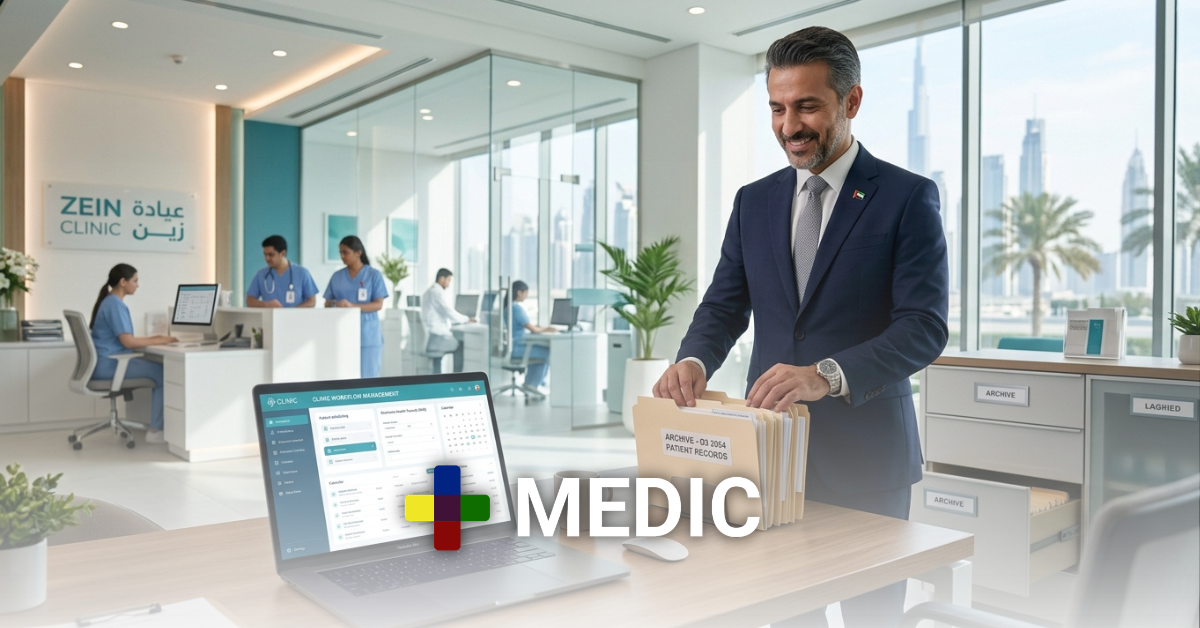
Digital transformation healthcare UAE is no longer a strategy reserved for large hospital groups and government-backed medical centres. It is the daily operational reality every licensed clinic in the country now navigates, whether they have embraced it or are still resisting it. Picture a clinic administrator in Sharjah on a busy Wednesday morning, surrounded by stacked paper files, searching through three separate folders for a patient’s allergy history before a consultation that started two minutes ago. Meanwhile, the next patient has already been waiting 20 minutes at reception because the previous visit’s billing paperwork was not completed. The doctor is on the phone with a pharmacist trying to clarify a handwritten prescription. And somewhere, a lab result from last week has been misfiled. This scene is not from a decade ago. It is happening right now in clinics across the UAE that have not yet completed the transition to digital records. The costs are real, the compliance risks are growing, and the gap between paper-based operations and the digitised healthcare ecosystem the UAE has built around them is widening every month. The UAE’s health authorities have now achieved full integration between Riayati, Malaffi, and NABIDH, creating a nationally connected patient health network that every licensed facility is expected to participate in actively. A clinic still running on paper files is not simply behind on technology. It is operating outside the system that the UAE’s entire healthcare infrastructure is built on. This guide documents the journey from paper to digital, the real costs clinics are carrying by delaying that transition, and how Medic by Freit.io makes the move to a smart, compliant, cloud-based EMR straightforward for UAE clinics of every size and specialty. The Hidden Costs of Paper-Based Systems in UAE Clinics The common assumption is that paper is cheap. The reality is the opposite. Paper-based clinic management carries significant financial, operational, and compliance costs that accumulate invisibly across every working day. Clinics that have never calculated these costs are typically surprised by how much they have been absorbing. The Financial Drain Is Larger Than It Appears Research across the global healthcare industry consistently shows that manual, paper-based processes carry a heavy financial penalty. Industry analysis cited by healthcare technology researchers puts unnecessary annual expenses from paper-based healthcare processes at between USD 18 billion and USD 22 billion across the sector. While these are global figures, the proportional burden on individual UAE clinics is equally significant given the high cost of physical space, storage, printing, and dedicated filing staff in the Emirates. The average healthcare practice spends USD 120 per month per file cabinet on physical storage alone, before accounting for printing, filing staff time, and the cost of administrative errors that require rework. Over a five-year period, these costs compound into a significant and entirely avoidable operational expense. Operational Inefficiency Drains Clinical Time Beyond direct costs, paper systems drain the most valuable resource any clinic has: clinical time. Doctors in paper-based practices spend approximately 40% of their working time on administrative tasks according to healthcare efficiency research. That is nearly half of every clinical day dedicated to paperwork rather than patient care. Research from healthcare data specialists shows that approximately 5% of paper records go missing annually, leading directly to treatment delays, repeated tests, and billing disruption. A doctor spending four hours per week searching for, correcting, or re-entering information that already exists somewhere in a paper filing system is losing the equivalent of up to ten patient consultations every single week. Warning: In the UAE, where NABIDH and Riayati require structured, coded clinical data transmitted in real time, paper records do not simply cause operational inefficiency. They make regulatory compliance structurally impossible. A clinic cannot submit a handwritten patient note to a digital health information exchange. The data architecture is incompatible. Error Rates Are Significantly Higher on Paper The clinical risk of paper-based systems is well documented. Research comparing paper and digital records found an error rate of 24.4% for paper-based clinical documentation compared to 4.4% for electronic records systems. In a UAE regulatory environment where data accuracy is a licence condition and where patients carry health histories across multiple providers through the NABIDH network, that error differential has direct patient safety and legal consequences. Compliance Is Structurally Incompatible with Paper The UAE’s digital health infrastructure is not designed to accommodate paper-based alternatives. The Dubai Health Authority requires real-time, automated transmission of structured clinical data to NABIDH as a condition of every DHA facility licence renewal. The Ministry of Health and Prevention requires the same for Riayati across Northern Emirates facilities. Neither platform accepts scanned documents, manual uploads, or free-text narrative entries. A paper-based clinic is not simply non-digital. It is non-compliant, and in the UAE that has immediate consequences for licence renewal, insurance claim processing, and audit outcomes. Paper vs Smart EMR: What UAE Clinics Are Actually Comparing Factor Paper-Based System Smart EMR (Medic) NABIDH / Riayati Compliance Structurally impossible Automated in real time Patient Record Access Physical location only Any device, anywhere Error Rate ~24.4% (documented) ~4.4% (documented) Record Loss Rate ~5% annually Zero with cloud backup Insurance Claim Submission Manual, error-prone Automated via DHPO Follow-Up Management Manual staff calls Automated SMS and email Data Security Unencrypted, physically vulnerable AES-256 encrypted, role-based access Audit Readiness Hours to compile On-demand, instant Storage Cost ~$120/month per file cabinet Included in subscription Scalability Physical space required Instant, subscription-based Multi-Specialist Access Sequential, not simultaneous Real-time, concurrent DHA Licence Renewal High risk of failure Compliant by default The Benefits of Digital Transformation for UAE Clinics The case for digital transformation healthcare UAE is not built only on compliance. It is built on measurable operational, clinical, and financial improvements that UAE clinics report after transitioning to smart EMR platforms. Seamless, Connected Clinical Workflows A smart EMR eliminates the fragmentation that defines paper-based operations. Appointments, clinical notes, prescriptions, lab results, billing, and compliance reporting all exist within the same system, updated in real time, and accessible to every authorised team member simultaneously. A
Smart EMR UAE: The Future of Clinic Growth and Patient Care

Smart EMR UAE platforms have moved well beyond their original purpose as digital filing systems. Picture a clinic director in Dubai who opens her weekly analytics dashboard on a Monday morning and immediately sees three things: a 12% drop in follow-up appointment attendance among diabetic patients, a surge in demand for dermatology consultations in the afternoon slots, and a billing rejection rate that has crept up due to an ICD-10 coding pattern in one department. None of this required a manual audit. The system identified every trend automatically, flagged the variances, and presented them in a single operational view. This is what a genuinely intelligent EMR looks like in practice. Not a records storage tool with a digital interface, but an active operational layer that generates insights, automates compliance, and supports every clinical and administrative decision a UAE clinic makes throughout the day. The UAE is already one of the most ambitious digital health markets in the world. According to the Dubai Health Authority’s official mid-2025 announcement, the NABIDH platform now stores over 10.41 million medical records across 1,888 licensed healthcare facilities, with more than 53,659 healthcare professionals actively connected to the system. These figures reflect a healthcare ecosystem that has already committed to data-driven operation at scale. The question for individual clinics is no longer whether to adopt a smart EMR. It is whether the platform they choose is intelligent enough to unlock the full value of that ecosystem. Medic by Freit.io was built specifically for that challenge. What Makes an EMR “Smart” in the UAE Context The term smart EMR is used broadly in healthcare technology marketing, but in the UAE context it has a specific and practical meaning. A smart EMR UAE platform is one that does three things simultaneously: it automates regulatory compliance with NABIDH, Riayati, and DHPO without manual input; it generates actionable operational and clinical insights from the data it captures; and it enables proactive patient engagement rather than passive record-keeping. A system that simply stores digital patient files is not a smart EMR. A system that captures those files, analyses patterns across them, surfaces operational alerts in real time, and transmits the data automatically to the correct regulatory body is. The distinction matters because UAE clinics face a more complex regulatory and competitive environment than most healthcare markets globally. Compliance is mandatory and technically demanding. Patient expectations are high. Competition across specialties is intense. A platform that merely digitises paper records without adding intelligence to the workflow does not address any of these pressures. How Smart EMRs Help UAE Clinics Scale with Data The most underutilised capability in most clinic EMR deployments is analytics. Clinics collect enormous volumes of data through every consultation, prescription, lab order, and billing transaction. Without an intelligent platform, that data sits in a database and generates no operational value. With a smart EMR UAE platform, it becomes the foundation of every strategic decision the clinic makes. Predicting Patient Flow and Optimising Resources EMR analytics can identify seasonal trends in appointment demand, peak consultation hours by specialty, and periods of low utilisation that could be filled with targeted outreach. A clinic that knows its physiotherapy bookings drop consistently in the first two weeks of Ramadan can proactively adjust staffing, shift marketing focus, and avoid carrying unnecessary overhead during that period. This transformation from intuition-based scheduling to data-driven resource planning is directly achievable through the reporting modules built into platforms like Medic. Clinic managers do not need a separate business intelligence tool. The insights come from the same system used for clinical documentation. Identifying Service Gaps and Expansion Opportunities Smart EMR data reveals which services are undersubscribed relative to patient demand, which departments carry the highest revenue per consultation, and which referral pathways are generating patient attrition. A multi-specialty clinic can use this data to justify adding a new department, restructuring appointment availability, or introducing targeted health packages for patient segments that are currently underserved. Benchmarking Clinical Outcomes Over Time The same data layer that supports operational decisions also enables continuous clinical quality improvement. Treatment outcome tracking allows clinical leads to identify which protocols are producing the strongest results, flag patients who are not responding to standard care pathways, and refine clinical documentation standards across the team. According to a comprehensive review published in PMC/NIH, AI predictive analytics embedded in healthcare records systems has demonstrated the ability to improve patient outcomes by forecasting disease progression, optimising treatment plans, and supporting early detection, particularly when applied to longitudinal patient data of the kind that smart EMR platforms accumulate over time. Patient Experience: Where Smart EMRs Drive Retention Operational efficiency is one dimension of smart EMR value. Patient retention is another, and for private UAE clinics operating in a competitive market, it is arguably the more commercially significant one. Automated Follow-Up and Reminder Systems Missed follow-up appointments are one of the most consistent sources of lost revenue and compromised clinical outcomes in UAE clinics. A patient who completes an initial dermatology consultation but never returns for the recommended follow-up represents both a clinical gap and a revenue loss. Smart EMR platforms like Medic automate the entire follow-up communication cycle. Doctors set follow-up intervals at the point of care. The system delivers reminders by SMS or email at the correct time without any manual intervention from front desk staff. Every outgoing communication is logged, creating a complete record of patient engagement for both clinical and regulatory purposes. To see how this works within the broader automation stack, the Medic blog on 5 tasks automated for UAE doctors covers the full workflow in detail. Personalised Patient Journeys When a doctor opens a patient file in a smart EMR, they see a complete, structured clinical history from that patient’s first visit to their most recent consultation, including all medications, allergies, previous diagnoses, lab trends, and outstanding referrals. This depth of context allows for consultations that feel genuinely personalised rather than transactional. Patients notice when a doctor references their previous visit accurately without asking them
Cloud EMR UAE: Why Clinics Are Switching in 2026
Cloud EMR UAE adoption is no longer a forward-looking strategy for progressive clinics. It is the operational baseline that regulators, patients, and the healthcare market now expect. Picture a clinic director in Dubai Healthcare City opening her inbox on a Monday morning to find a DHA audit notification, an IT invoice for emergency server maintenance, and three patient complaints about delays in accessing records from a previous visit. Each of these problems traces back to the same root cause: a legacy on-premise EMR system that was designed for a different era of healthcare entirely. This situation is playing out across the UAE with increasing frequency. Clinics that invested in traditional electronic medical records systems five or ten years ago are finding that those platforms can no longer keep pace with NABIDH compliance requirements, multi-site operations, or the data security standards that modern healthcare demands. The UAE digital health market was valued at over USD 619 million in 2023 and is projected to grow at a compound annual rate of 23.3% through 2030, driven directly by government mandates, regulatory reform, and clinic digitisation initiatives. The shift to cloud technology is central to that growth trajectory. This guide explains exactly why UAE clinics are making the switch, what they are leaving behind, and how Medic by Freit.io makes the transition straightforward, compliant, and built for long-term growth. The Legacy EMR Problem: Why Older Systems Are Failing UAE Clinics Traditional on-premise EMR systems were built at a time when clinics stored data locally, operated independently, and faced far fewer regulatory requirements. They represented a significant step forward from paper records when they were introduced. In the UAE healthcare environment of 2026, however, they are creating compounding operational and compliance problems that are difficult to solve with software patches or workarounds. Limited Accessibility Across Locations and Devices Legacy systems tie patient data to physical server rooms. A doctor consulting at a satellite branch cannot access the main clinic’s records without a VPN or complex remote desktop setup. Clinical staff working across multiple rooms or departments lose time navigating disconnected data. In a healthcare landscape where multi-site operations, telehealth, and mobile consultations are expanding rapidly, this constraint directly reduces the quality and speed of patient care. Escalating Maintenance and Infrastructure Costs On-premise systems demand ongoing investment in hardware, server upgrades, IT support contracts, and cybersecurity patching. According to research on five-year total cost of ownership, a solo practice managing an on-premise system spends approximately $30,000 on IT support over five years compared to roughly $2,500 for a cloud-based equivalent. For a growing clinic with multiple doctors and expanding data volumes, these costs compound quickly and divert budget from clinical priorities. Compliance Gaps That Cannot Be Patched Away Meeting NABIDH, Riayati, and DHPO requirements with a legacy system typically requires expensive custom development, third-party connector tools, or manual workarounds that introduce new failure points. The Dubai Health Authority requires automated, real-time data transmission in structured formats. Most legacy platforms were not architected to support HL7 and FHIR protocols natively, making genuine compliance a technically difficult and costly proposition. Warning: Using a non-certified or legacy EMR system that cannot support automated NABIDH data transmission is not simply an IT inconvenience. It is a direct compliance failure that can result in a DHA audit flag, a delayed licence renewal, and operational disruption to your entire facility. Scalability Constraints That Limit Growth When a clinic adds a new doctor, a new branch, or a new department, on-premise systems often require hardware upgrades, additional licences, and IT configuration work before the new capacity can be used. This creates delays, unexpected costs, and operational friction at precisely the moments when a clinic should be focusing on growth, not infrastructure. Why Cloud EMR UAE Platforms Are Built for This Environment Modern cloud EMR solutions address every one of these limitations directly. They are not simply digitised versions of older systems. They are architecturally different platforms built for connectivity, compliance, and scale from the ground up. NABIDH Compliance Built Into the Platform The most operationally significant advantage of a purpose-built cloud EMR UAE platform is that regulatory compliance is not an add-on feature. It is embedded into the core architecture. Every patient consultation generates structured, coded data that is automatically transmitted to the NABIDH backbone in real time. No manual exports. No separate portal logins. No compliance officer spending three days a month compiling reports. For clinics operating in the Northern Emirates, the same applies to Riayati. For Dubai clinics accepting insured patients, DHPO integration handles electronic claim submission automatically within the same platform. To understand how these three systems interact and which applies to your clinic’s location, the Medic guide to NABIDH vs Riayati vs DHPO breaks down the regulatory map in full. Real-Time Access From Any Device, Anywhere Cloud platforms allow authorised clinical staff to access patient records securely from any device with an internet connection. A specialist seeing a patient at a satellite clinic in Sharjah can view records created at the Dubai main branch in the same session. A doctor completing a follow-up call from home has full access to the patient file. This is not a convenience feature. It is a clinical safety improvement that reduces the risk of incomplete information during patient encounters. Automatic Security Updates and Data Protection Cloud vendors maintain dedicated security teams and infrastructure that would be prohibitively expensive for individual clinics to replicate. Enterprise-grade encryption, role-based access controls, automated backups, and continuous security patching are built into the subscription. For context, there were 725 documented healthcare data breaches globally in 2023, and on-premise systems where security patching depends on internal IT teams are disproportionately represented in those incidents. Predictable Cost Structure and Lower Total Outlay Cloud-based EMR shifts healthcare IT spending from unpredictable capital expenditure to a stable operational subscription. There are no emergency server replacement costs, no major hardware refresh cycles, and no surprise IT bills. Leadership can forecast technology costs with accuracy and allocate budget to clinical priorities rather than
Cloud EMR UAE: 5 Tasks Medic Automates for Doctors
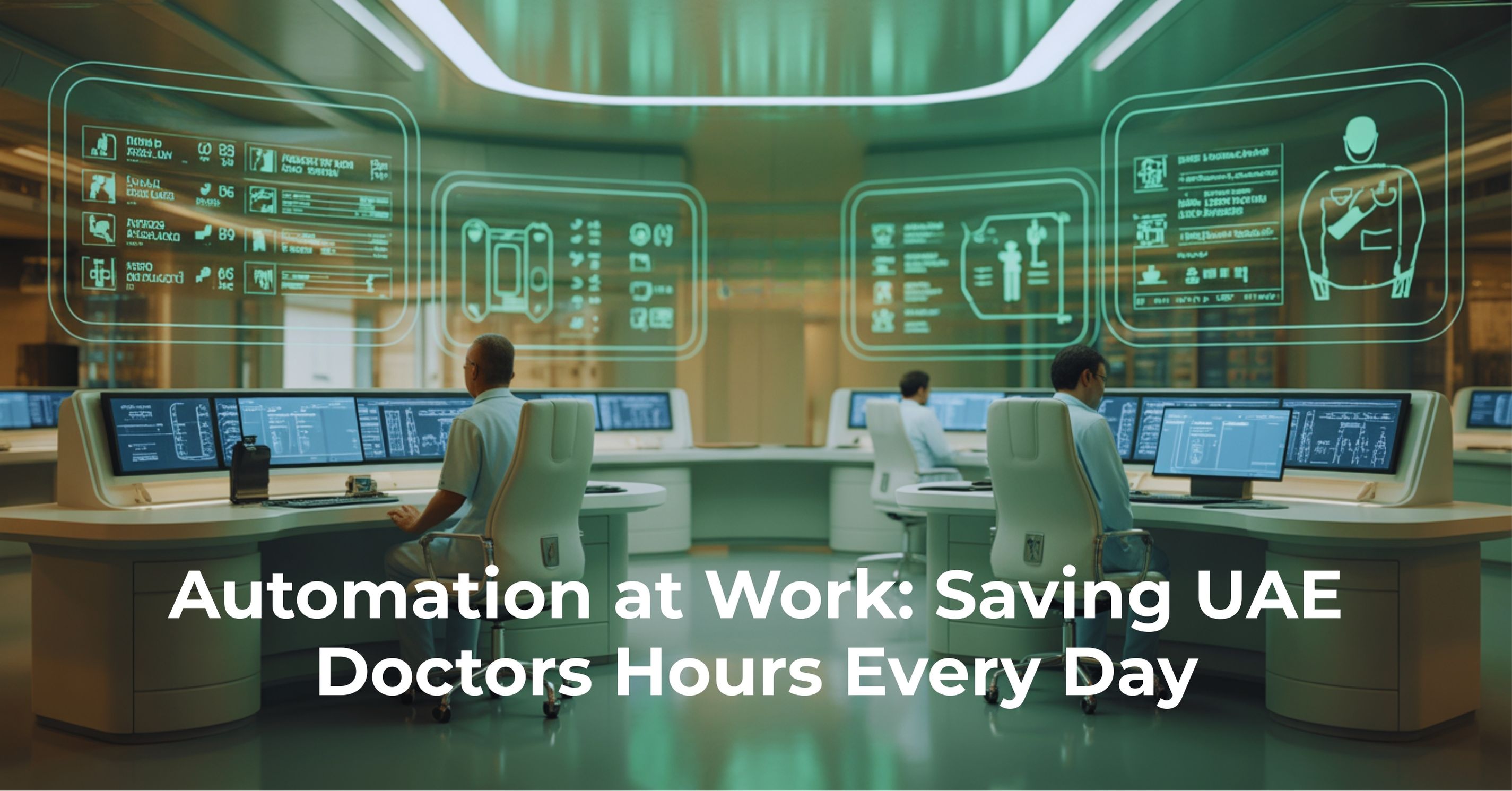
Cloud EMR UAE clinics need most is not just a records system — it is an intelligent layer that removes the administrative burden dragging doctors away from patient care. If you run a clinic in Dubai, Sharjah, or anywhere across the Emirates, you already know the reality: days eaten up by billing resubmissions, scattered patient files, missed follow-ups, and compliance reports that seem to multiply every quarter. The Dubai Health Authority has placed healthcare digitisation at the heart of its 2030 strategy, with mandatory integration into frameworks like NABIDH, Riayati, and DHPO. These are sound policies, but for clinic teams operating on lean staffing, each new requirement can feel like another task piled onto an already full day. The result is that doctors in the UAE often spend more time on administration than on the consultations they trained for. Medic by Freit.io was designed specifically for this environment. Trusted by over 50 clinics across the UAE, it brings together appointment management, electronic records, billing, insurance, follow-up communications, and compliance reporting in a single cloud-based platform. Below, we break down the five tasks that consume the most time in UAE clinic operations and show exactly how Medic eliminates them. Why Administrative Burden Is a Clinical Problem Before diving into specific tasks, it is worth understanding the scale of the issue. According to research published in the BMJ Open, physicians globally spend nearly half their working hours on administrative tasks rather than direct patient contact. In the UAE, where regulatory requirements are more layered than in many other markets, that proportion can tip even higher. This is not simply an efficiency problem. It is a patient safety issue. A doctor who is occupied processing insurance claims or chasing lab records cannot give full attention to the patient in front of them. Time lost to paperwork is time taken from diagnosis, care planning, and communication with patients and families. A purpose-built cloud EMR for UAE clinics addresses this at the system level, not just by digitising paper, but by automating the workflows that sit around the clinical encounter. The 5 Tasks Medic Automates 1. Electronic Prescriptions (eRX): From Minutes to Seconds Handwritten prescriptions remain a daily bottleneck in many UAE clinics. A doctor writes the prescription, the patient takes it to the pharmacy, the pharmacist tries to read it, calls back with queries, or rejects it due to illegibility. At each step, time is lost and the opportunity for error grows. The World Health Organization has identified medication errors as one of the most prevalent causes of avoidable patient harm globally, with poorly written prescriptions among the top contributing factors. Medic’s eRX feature removes this chain of friction entirely. Doctors select from pre-approved drug lists, auto-populate dosage instructions, and transmit prescriptions directly to the patient or pharmacy — all from within the EMR, in seconds. Every prescription is logged automatically, creating a fully traceable audit trail that satisfies both NABIDH compliance requirements and insurance claim documentation needs. What this replaces: 2. Billing and Insurance Claims: Ending the Rejection Cycle UAE clinic billing is a multi-layered process. Invoices must align with DHA, MOHAP, or DOH payer rules depending on the emirate, claims must be submitted through the correct portal, and a single data entry error can delay reimbursement by days or weeks. Many clinics still manage this through spreadsheets or disconnected systems, creating a constant cycle of errors, rejections, and resubmissions. According to the American Academy of Family Physicians, administrative costs related to billing and insurance processing represent one of the largest non-clinical expenses for any medical practice. In the UAE context, this burden is compounded by the number of insurers, portals, and local regulatory bodies involved. Medic automates the complete billing workflow. The system generates invoices instantly at the point of care, submits claims electronically to insurers, and tracks approval status in real time. Integration with DHPO (Dubai Health Post Office) means that claim submissions no longer require manual portal uploads or separate tracking spreadsheets. Note for clinic managers: A single rejected claim that is not flagged and resubmitted within the insurer’s deadline can result in permanent non-payment. Manual tracking systems make it easy for these to slip through. Automated claim tracking in Medic ensures every rejection triggers an immediate alert. Before and After: Billing Workflow Comparison Task Manual Process With Medic Automation Invoice generation Staff enter line items manually Auto-generated at point of care Claim submission Manual upload to insurer portal Submitted electronically in real time Rejection handling Discovered during monthly review Flagged immediately with alert Reimbursement timeline Days to weeks Significantly reduced Audit preparation Compile from multiple sources Reports generated on demand 3. Patient Record Management: One Source, Always Current Fragmented records are one of the most persistent problems in UAE clinic operations. A patient may have visited three different providers, each with their own system, and none of them speaking to each other. When that patient arrives at your clinic, the doctor must either request records manually, work from what the patient remembers, or proceed without full context. The UAE’s push for interoperability through NABIDH directly addresses this problem at the national level. NABIDH (National Backbone for Integrated Dubai Health) mandates that all Dubai healthcare facilities connect to a unified health information exchange, enabling real-time sharing of patient data across providers. Learn more about how Medic supports NABIDH compliance. Within Medic’s own environment, every patient has a single, comprehensive profile. This includes vitals, medical history, allergies, vaccinations, lab results, imaging reports, prescriptions, and treatment plans. Everything is stored securely in the cloud and accessible from any device, anywhere, with role-based permissions ensuring that only authorised staff see what they need to see. Clinics that were previously relying on paper charts report a meaningful reduction in consultation times once they make the switch. Time spent searching for files, calling other departments for results, or re-entering data that already exists somewhere is eliminated from the workflow. 4. Follow-Up Communications: Automated, Consistent, and Clinically Sound Patient retention is directly tied to follow-up